First establish what is leaking
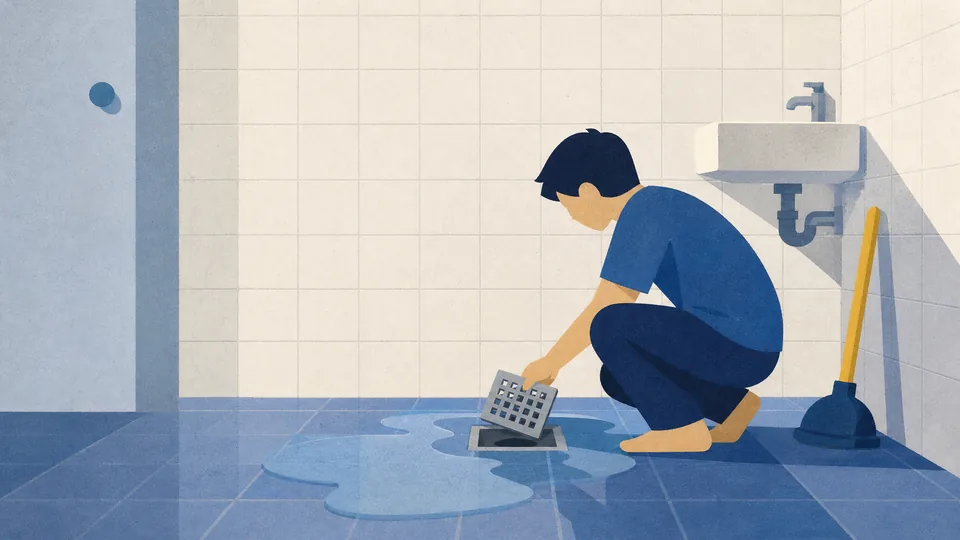
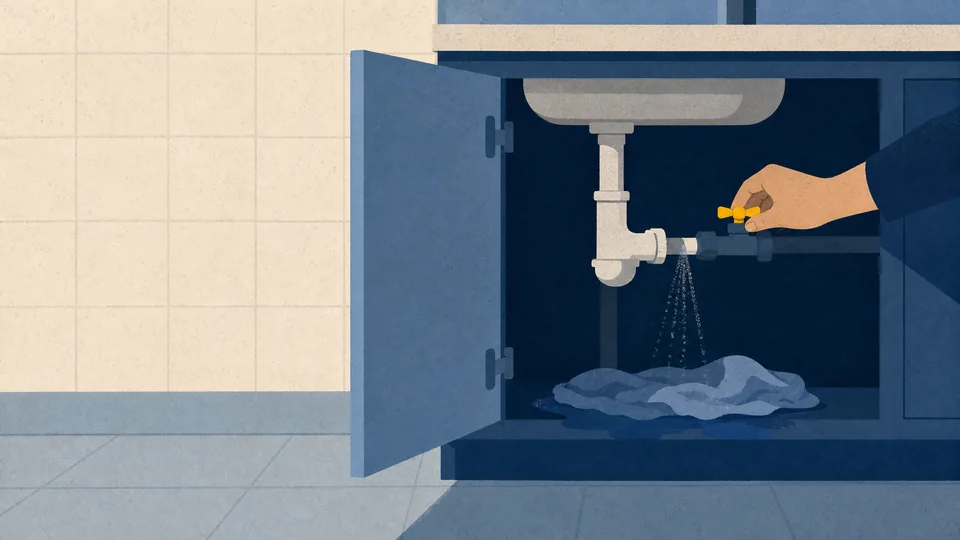
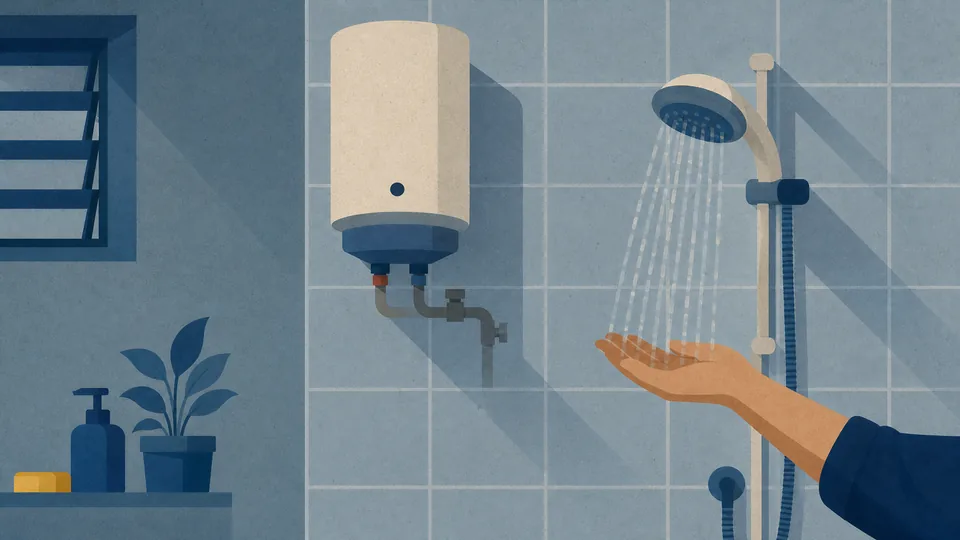
An exposed joint and a concealed pipe can require very different work. Ask the plumber to identify the likely source and explain how it will be confirmed. Water visible in one place may have travelled from somewhere else.
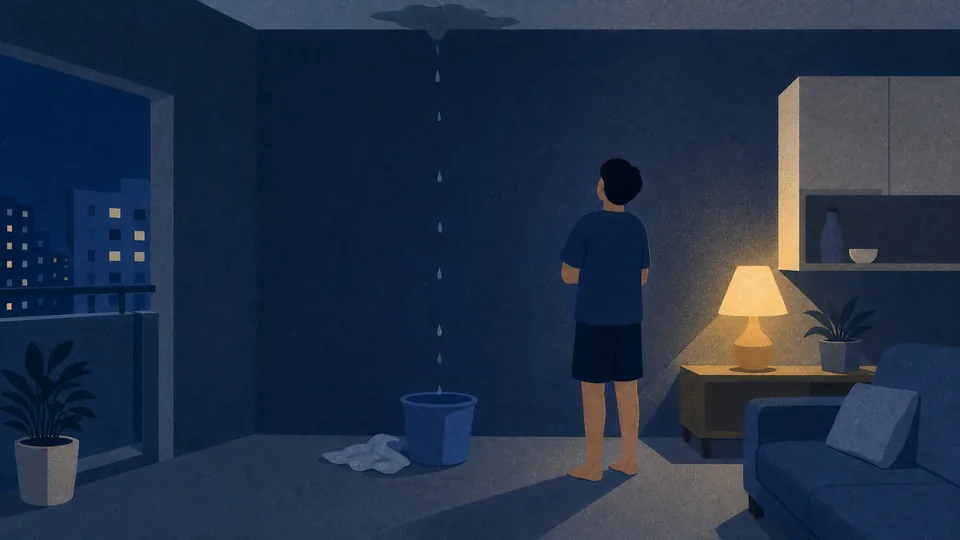
If the leak is near electrical fittings or a damaged ceiling, keep clear and arrange urgent help. For a suspected leak from another unit or common property, contact the relevant neighbour, landlord or building manager before authorising invasive work.
What changes the price?
- Access: exposed fittings are different from pipes behind tiles or inside a wall.
- Diagnosis: specialist detection may carry a separate fee.
- Repair scope: replacing a seal differs from replacing a length of pipe.
- Materials: the pipe, fittings and finish affect the parts and labour needed.
- Making good: patching, waterproofing, tiling and painting may be separate work.
- Timing: ask about attendance and after-hours charges before the visit.
Ask for an itemised quote
Confirm the diagnostic fee, labour, materials, applicable GST and exclusions. Ask whether the quote is fixed for the stated scope and what would trigger a revision. For concealed leaks, agree how much investigation you authorise before further approval is needed.
Check the right professional
Regulated plumbing needs a PUB Licensed Plumber; specified simple work is exempt. Check the job against PUB's guidance.
Compare like for like
Use the plumber directory to check published information. A starting price for a small repair is not a reliable estimate for concealed leak detection or reinstatement. Give providers the same description and compare the complete written scope.