What to check first
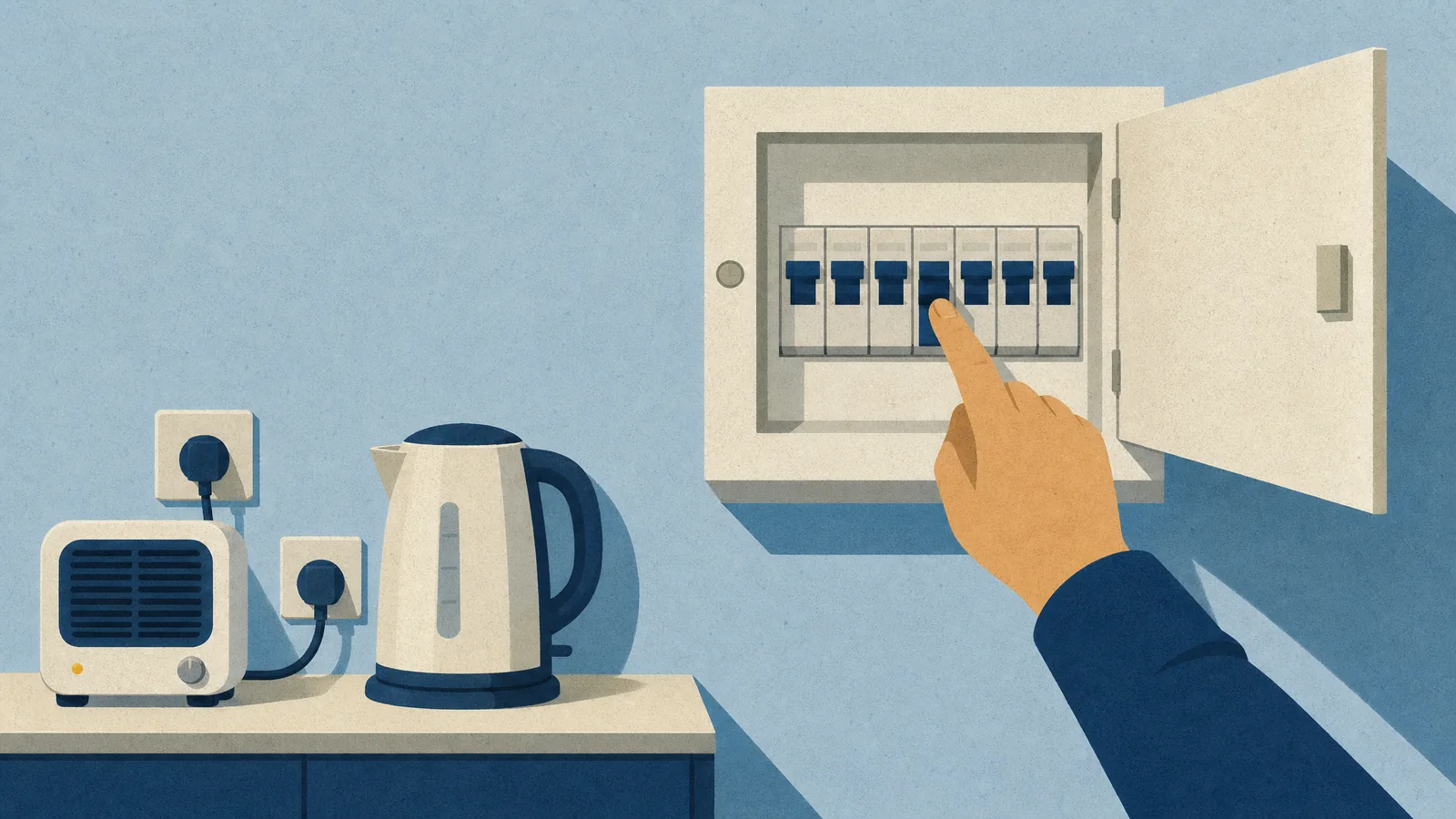
Unplug every appliance on the affected circuit, then reset the breaker once. If it trips again immediately with nothing drawing power on that circuit, the fault is in the wiring or the circuit protection itself, not an appliance — stop there and call an electrician.
If the breaker holds with everything unplugged, reconnect the appliances one at a time, waiting a minute between each, and note which one trips it. That appliance is very likely the fault, not the circuit.
Do this test once, not repeatedly. Resetting a breaker again and again to see if it "settles down" is not a diagnostic step — it just keeps re-energising a fault that has already shown itself once.
The likely causes, in order
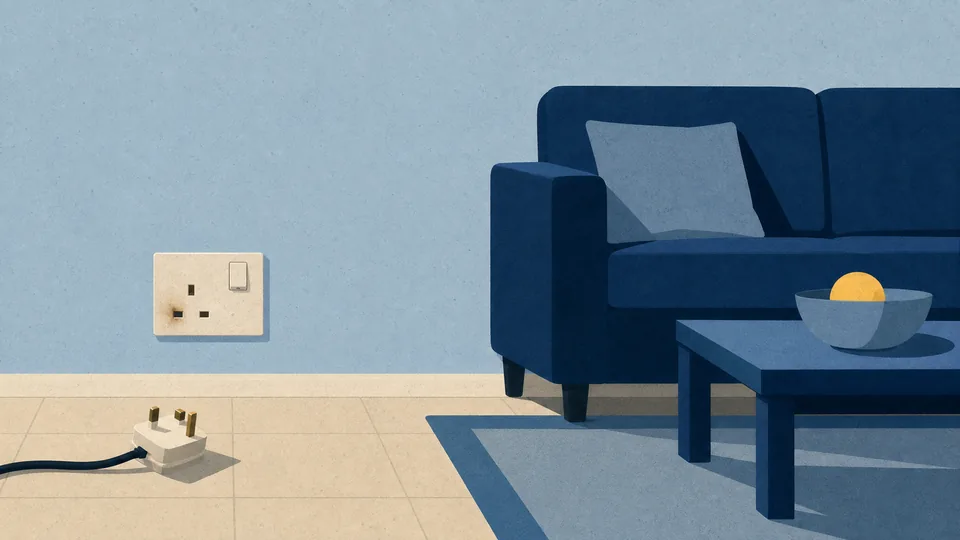
A fault in the fixed wiring, a power point, or the circuit protection itself (most likely). The most likely cause, is a fault in the fixed wiring, a power point or the circuit protection itself — this is confirmed by the breaker tripping again even with every appliance on that circuit unplugged. Safe check: the unplug-and-reset test above, done once. Never DIY beyond that.
One faulty appliance on the circuit. Close behind it is one faulty appliance on that circuit tripping the breaker only when it is switched on or while it is running, which is a different and usually cheaper fault than the wiring itself. Safe check: reconnect appliances one at a time after the wiring test above; leave the suspect appliance unplugged once found.
Too many devices on one circuit at once. A third, less common cause is simply too many devices drawing current on one circuit at once, which trips a correctly working breaker doing its job rather than pointing to any fault at all. Safe check: note whether the trip only happens when several high-draw appliances — aircon, kettle, iron, water heater — run together on the same circuit.
When to call, and how urgently
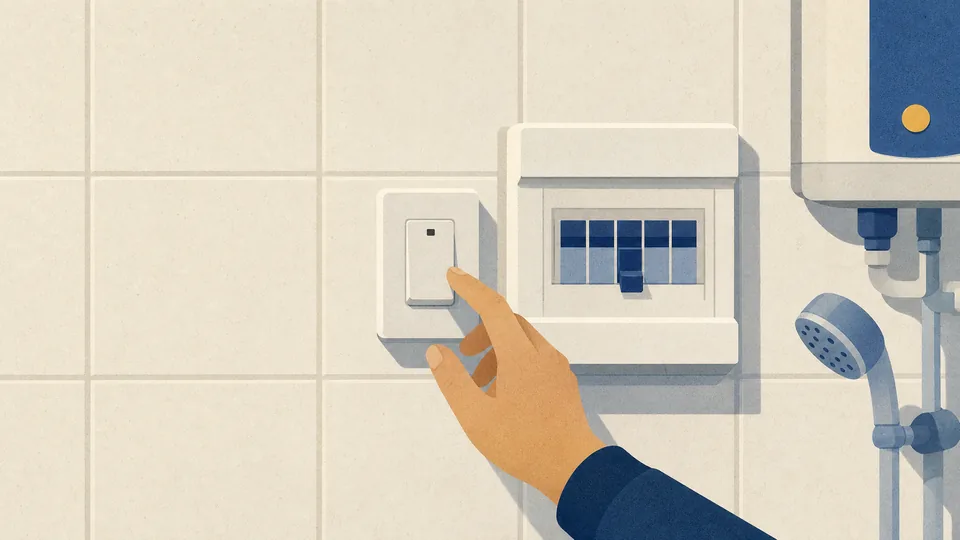
If you smell burning, see smoke, hear crackling from a socket or the DB box, or get a shock from a switch or appliance, stop. Do not touch the distribution board or reset the trip switch again — leave the area and treat it as an emergency, not a diagnosis step.
Treat a wiring or power-point fault as today, not this-week. A breaker that trips on the wiring side is doing its job by cutting power before something worse happens, and leaving it unresolved means either living without that circuit or someone eventually bypassing the protection — which is unsafe. An appliance fault is less urgent once the appliance itself is unplugged and left off.
What it costs
Expect a call-out fee on top for after-hours visits, and ask whether it is waived if you go ahead with the repair.
When you ask, describe exactly what you found: whether the breaker trips with the circuit empty or only with a specific appliance running, and which appliance if you have identified one. That single detail changes the job from a diagnosis-and-repair visit to a same-day fix. If the fault turns out to be inside the fixed wiring rather than a quick fix, get an itemised quote before further work starts.
Who to call, and how to judge them
HDB's home-care guidance states that only a licensed electrician can replace socket outlets, and advises replacing a flat's electrical wiring once its lifespan is over or it is worn out — both are licensed-worker jobs, not DIY. Fixed wiring, power points and circuit-breaker work fall under work EMA says should be carried out or supervised by a Licensed Electrical Worker (LEW); ask for the worker's name and licence number, not just the company's registration.
An ACRA registration confirms the business exists, it does not confirm an EMA licence, which is a separate check. Prefer an electrician who asks whether the trip happens with the circuit empty before quoting, over one who quotes a flat "rewiring" fee without that detail. On arrival, an electrician isolates the circuit, tests it with everything unplugged to check whether the wiring itself trips the breaker, and only then reconnects appliances one at a time to see whether one of them is the actual fault.
Frequently asked questions
What does it mean when my circuit breaker keeps tripping?
A circuit breaker that keeps tripping is protecting you from a fault, either in the fixed wiring or a power point on that circuit, or in one appliance plugged into it — the breaker cannot tell you which, only that current is flowing somewhere it should not.
How do I know if it's the wiring or one appliance?
The most likely cause, is a fault in the fixed wiring, a power point or the circuit protection itself — this is confirmed by the breaker tripping again even with every appliance on that circuit unplugged.
Sources
- HDB, "Maintaining Electrical Accessories and Wiring in HDB Flats" (fetched 15 Sep 2026)
- EMA, "Engaging Licensed Electrical Workers" (fetched 15 Sep 2026, confirmed live regulator page)
- Schneider Electric Singapore, FAQs (fetched 15 Sep 2026)
Compare electricians and tell each one whether the breaker trips with the circuit empty before you ask for a quote.