What to check first
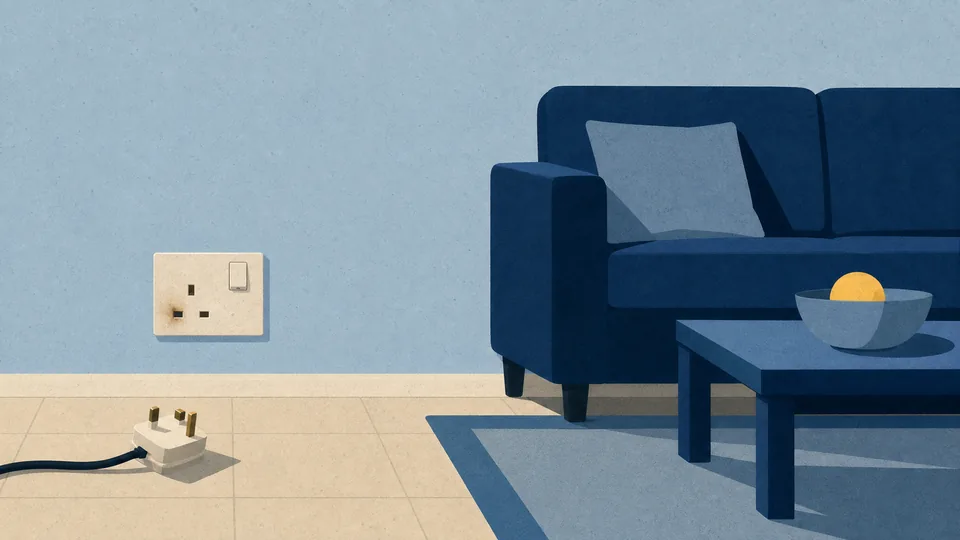
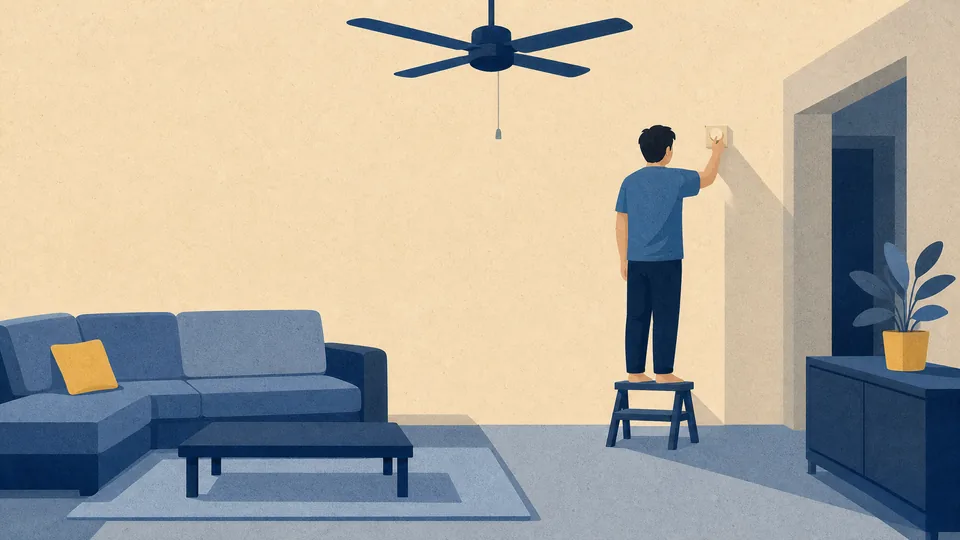
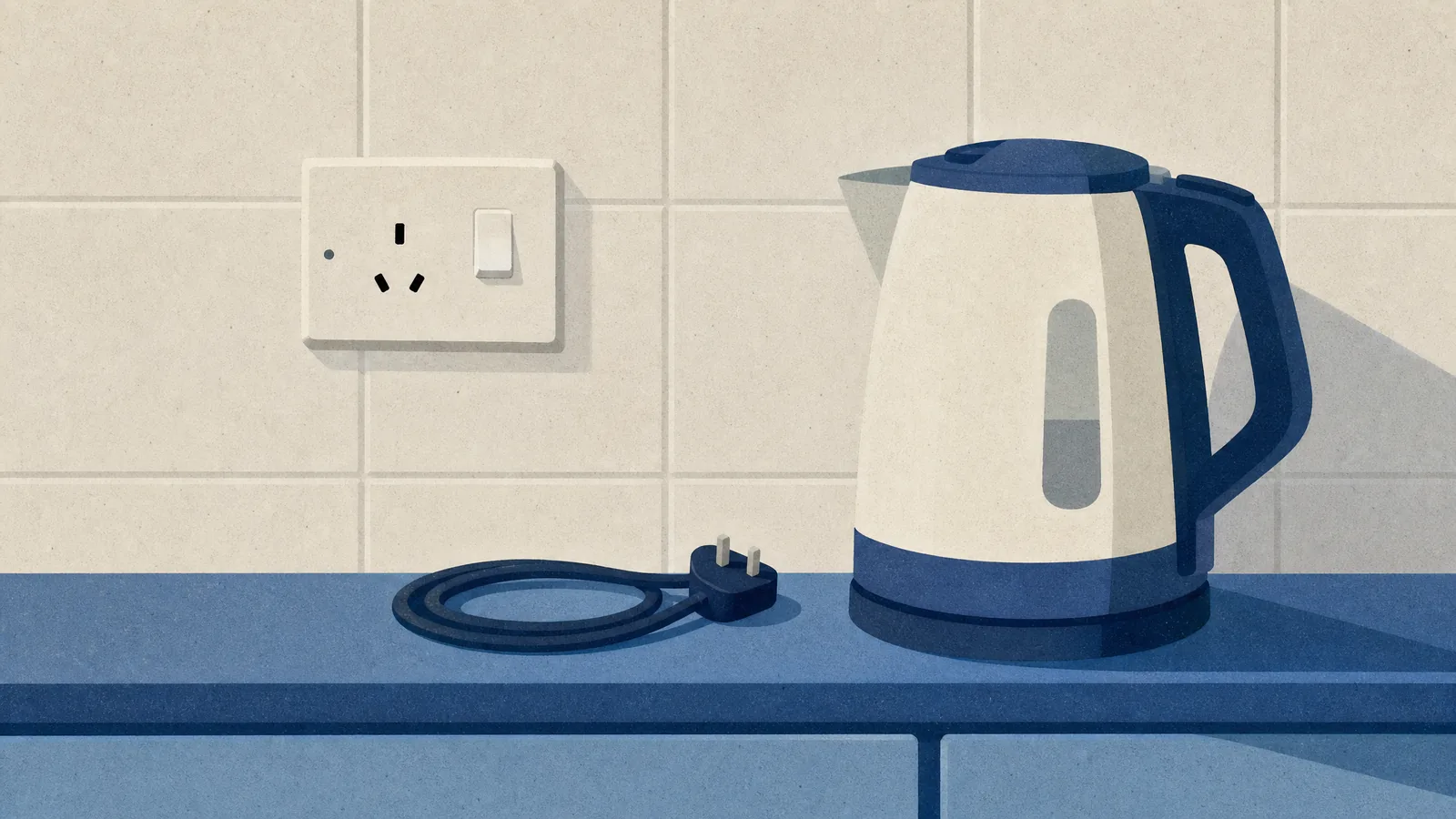
Stop using the socket. Unplug whatever is in it if it is safe to reach, and do not plug anything else in to "test" whether it happens again. A spark that shows up once tends to show up again, and each time is a small fire risk.
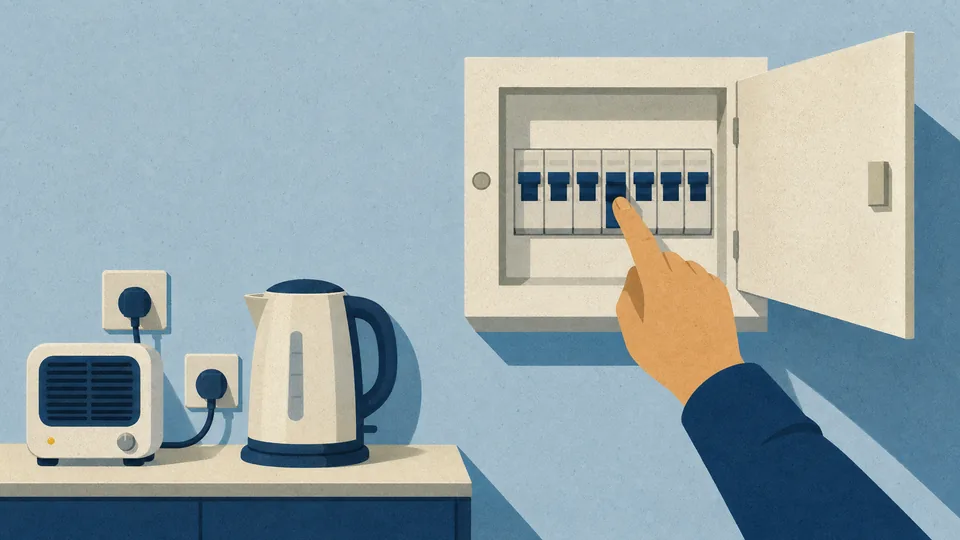
Go to the distribution board and switch off the breaker for that circuit if you can identify it. If you are not sure which breaker it is, and the socket is not actively smoking or on fire, leave the main supply on and simply keep the socket unused until the electrician arrives.
Note what was plugged in when it sparked, whether it has sparked before, and whether other points on the same circuit show any sign of trouble. That is the information an electrician needs before touching anything.
The likely causes, in order
A loose fit between the plug and the socket (most common). The most common cause is a loose fit between the plug and the socket, which lets current arc across a small gap instead of flowing through a clean contact. This tends to happen with an older or worn socket, or a plug that has been in and out many times.
A worn or damaged connection inside the socket. The second cause is a worn or damaged connection inside the socket itself. HDB advises replacing a flat's electrical wiring once its lifespan is over or once it is worn out, and the accessory's internal contacts wear out well before the wiring behind the wall does. A socket that has been in daily use for a decade or more is a reasonable suspect on its own, even without an obvious trigger.
Overload on the circuit. The third cause is overload — too much load drawn through one socket, often from an adaptor stacked with high-draw appliances (kettle, iron, aircon on the same point). The socket sparks or trips because it is carrying more than it was built for.
When to call, and who
Call an electrician as soon as you have stopped using the socket — this is not a fault to leave for a convenient weekend. Tell them what you saw: a single spark, repeated sparking, any smell, and what was plugged in.
Stop using the socket the moment you see a spark, smell burning, or hear a crackle. If you see smoke or an active flame, treat it as a fire emergency and call 995 rather than an electrician's line. An electrician's callout is for the fault once it is contained, not for an active fire.
What it costs
Ask two or three for a written quote instead.
Describe the fault precisely when you ask: which socket, whether it has sparked more than once, and what was plugged in. A same-day or emergency callout may carry a surcharge on top of the base call-out fee — ask for that upfront, not after the visit.
Ask whether the quote includes testing the rest of the circuit for the same fault, not just replacing the one socket that sparked. A single sparking point is sometimes the first sign of an overloaded circuit, not an isolated accessory fault.
Who to call, and how to judge them
Opening a socket or the distribution board to find and fix an arcing fault is licensed electrical work in Singapore. Only a licensed electrician should replace the socket outlet or the wiring behind it. A business registration does not show individual LEW licence numbers, so ask to see the electrician's LEW licence directly and check it against EMA's own register before the visit.
An ACRA registration confirms the business exists, not that any individual technician holds a current LEW licence. For a safety fault like this one, ask for the LEW licence check regardless of how the business itself is registered.
Frequently asked questions
Is a sparking socket dangerous?
A sparking socket means an electrical fault is arcing inside the point, most often from a loose plug fit, a worn connection, or an overloaded circuit. It is not something to keep using or wait out; the safe move is to stop using that socket and switch off its circuit at the distribution board until an electrician has looked at it.
Can I just avoid using the socket instead of calling someone?
Stop using the socket the moment you see a spark, smell burning, or hear a crackle. If you see smoke or an active flame, treat it as a fire emergency and call 995 rather than an electrician's line. Avoiding the socket buys time, it does not fix the fault, and the same fault can show up elsewhere on the same circuit.
What does the electrician actually do when they arrive?
An electrician isolates the circuit at the distribution board first, then opens the point to find exactly where the arc is coming from — the plug fit, the internal contacts, or the load on the circuit — before replacing anything.
Sources
- HDB, "Electrical Accessories and Wiring" home care guide (fetched 15 Sep 2026)
- EMA, "Electricians Licence" (fetched 15 Sep 2026)
- SCDF homepage (fetched 15 Sep 2026)
Compare electricians providers and give each the same details: which socket, whether it has sparked more than once, and what was plugged in.