What to check first
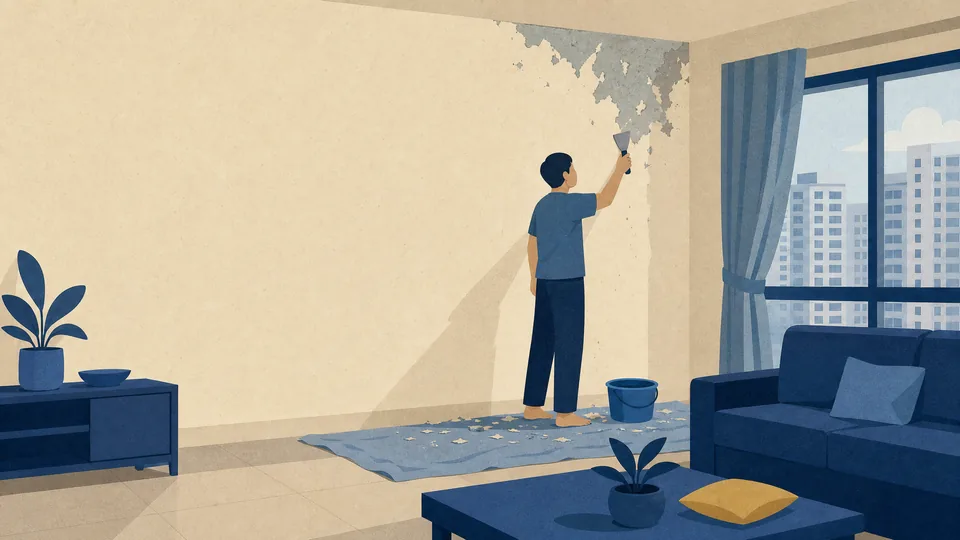
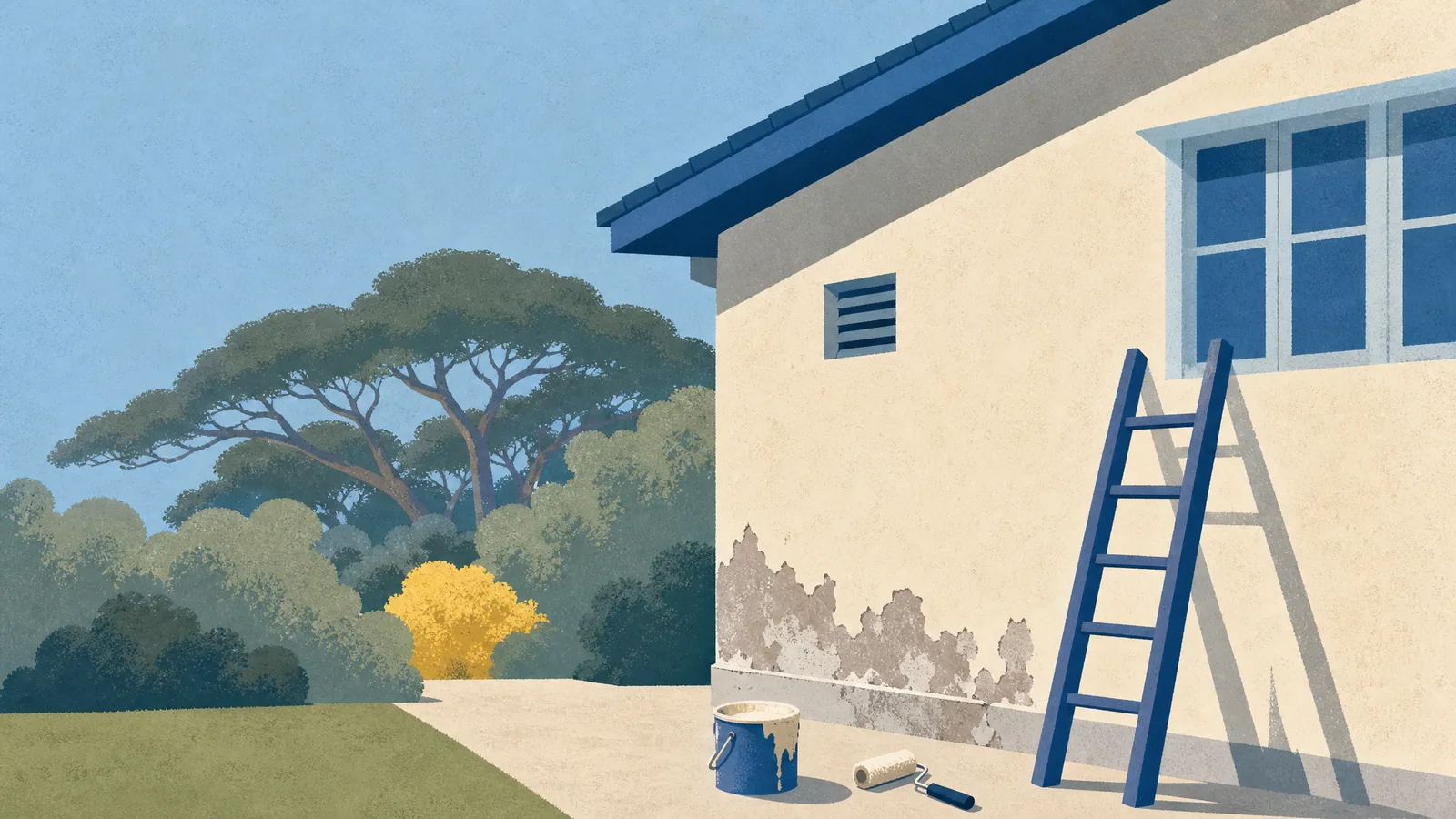
Walk the exterior and look for three things: hairline versus wider cracks, any green or black patches, and any spot where the old paint is flaking rather than just faded. Take photos in good light, since these three findings decide whether the job is a simple repaint or a repaint with preparation work priced in.
Check whether a crack in one spot keeps coming back after a previous repaint. That pattern points past the paint film to the wall behind it, and it is worth mentioning to a painter before they quote, since patching the same crack a second time without understanding why it returns rarely holds.
Note which faces of the building are worst affected. A wall that gets more direct sun or driving rain typically weathers faster than a sheltered one, and telling a painter this narrows down what they should expect to find.
Before booking, check the wall for three things: hairline versus wider cracks, any green or black patches, and any area where old paint is flaking rather than just faded. Tell the painter which of these you found, since only a sound, crack-free wall is a straightforward repaint.
The likely causes, in order
Ordinary weathering: sun, heat and rain (most common). The most common cause is ordinary weathering: sun, heat and rain cycling on the wall year-round. Water will run quickly off a wall in good condition, but once small cracks form, water seeps through these cracks and causes further damage to the wall, which is why an old exterior coat tends to fail at the cracks first, not evenly across the surface.
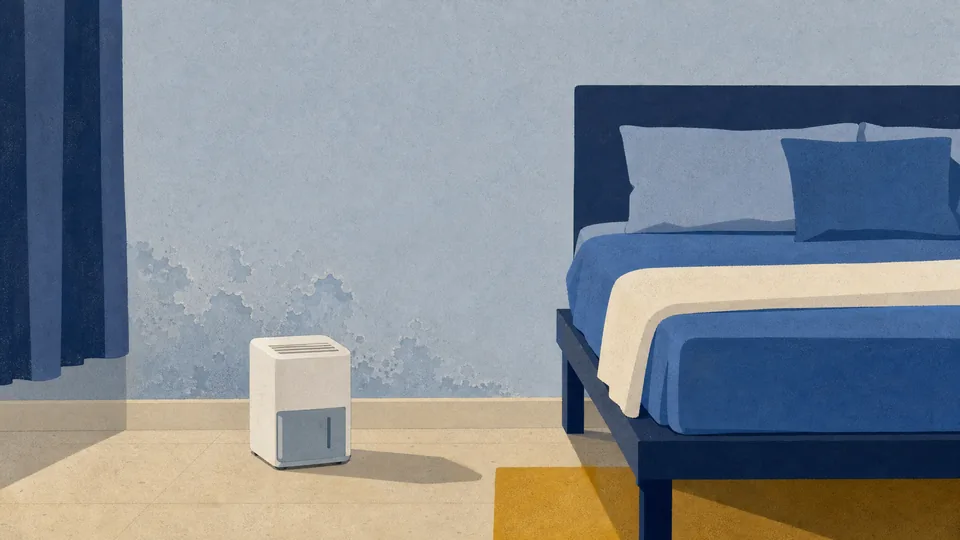
Algae or fungal growth in humid conditions. The second cause is algae or fungal growth on a wall that stays damp in Singapore's humidity, showing as green or black patches rather than cracking or peeling. This growth is what algae and fungal-resistant exterior paints are formulated specifically to prevent, which tells you the old coat has lost that protection rather than the wall itself being faulty.
A crack in the concrete, not just a paint problem. The third and least obvious cause is a crack in the concrete itself, not just the paint film, which a repaint alone will not fix. HDB maintains a dedicated guide to preventing and fixing spalling concrete in HDB flats, separate from its painting guidance, and a crack that keeps returning after repainting is the sign to check that rather than repainting again.
When to call, and who
Call a painter once you have checked the wall for cracks, algae staining and flaking paint, and can describe roughly how much of each you found. A sound wall with faded colour only is the fastest and cheapest job; cracking, staining or flaking means preparation work is part of the quote.
What it costs
Ask two or three for a written quote instead.
When you ask, give each painter the same facts: the approximate wall area, what condition it is in (cracks, algae, flaking, or none of these), and which faces get the most sun and rain. Ask whether the quote includes crack filling, algae treatment and priming as separate line items, or whether it is a single lump sum that hides how much preparation is actually included.
Who to call, and how to judge them
A painter checks the wall's condition before quoting: crack width and location, any algae or fungal staining, and whether old paint is flaking. Preparation work — patching cracks, treating algae, scraping flaking paint — is priced separately from the coats of paint themselves. Before booking, check the wall for the same three things yourself and tell the painter which of these you found, since only a sound, crack-free wall is a straightforward repaint.
Painting work is not licensed work in Singapore, so there is no public register to check. Judge a painter on a written scope, the paint system named on the quote, and a business you can verify instead.
Frequently asked questions
Why does exterior paint crack or peel in Singapore?
The most common cause is ordinary weathering: sun, heat and rain cycling on the wall year-round. Water will run quickly off a wall in good condition, but once small cracks form, water seeps through these cracks and causes further damage to the wall.
What causes green or black patches on an exterior wall?
Algae or fungal growth on a wall that stays damp in Singapore's humidity shows as green or black patches rather than cracking or peeling. This growth is what algae and fungal-resistant exterior paints are formulated specifically to prevent, so the old coat has lost that protection.
Sources
- Dulux Singapore, "Weathershield Powerflexx" (fetched 15 Sep 2026)
- Nippon Paint Singapore, "Weatherbond AlgaeGuard" (fetched 15 Sep 2026)
- HDB, "Preventing and Fixing Spalling Concrete in HDB Flats" (fetched 15 Sep 2026)
Compare painters providers and give each the same facts: the wall area, its condition, and which faces get the most weather.