What to check first
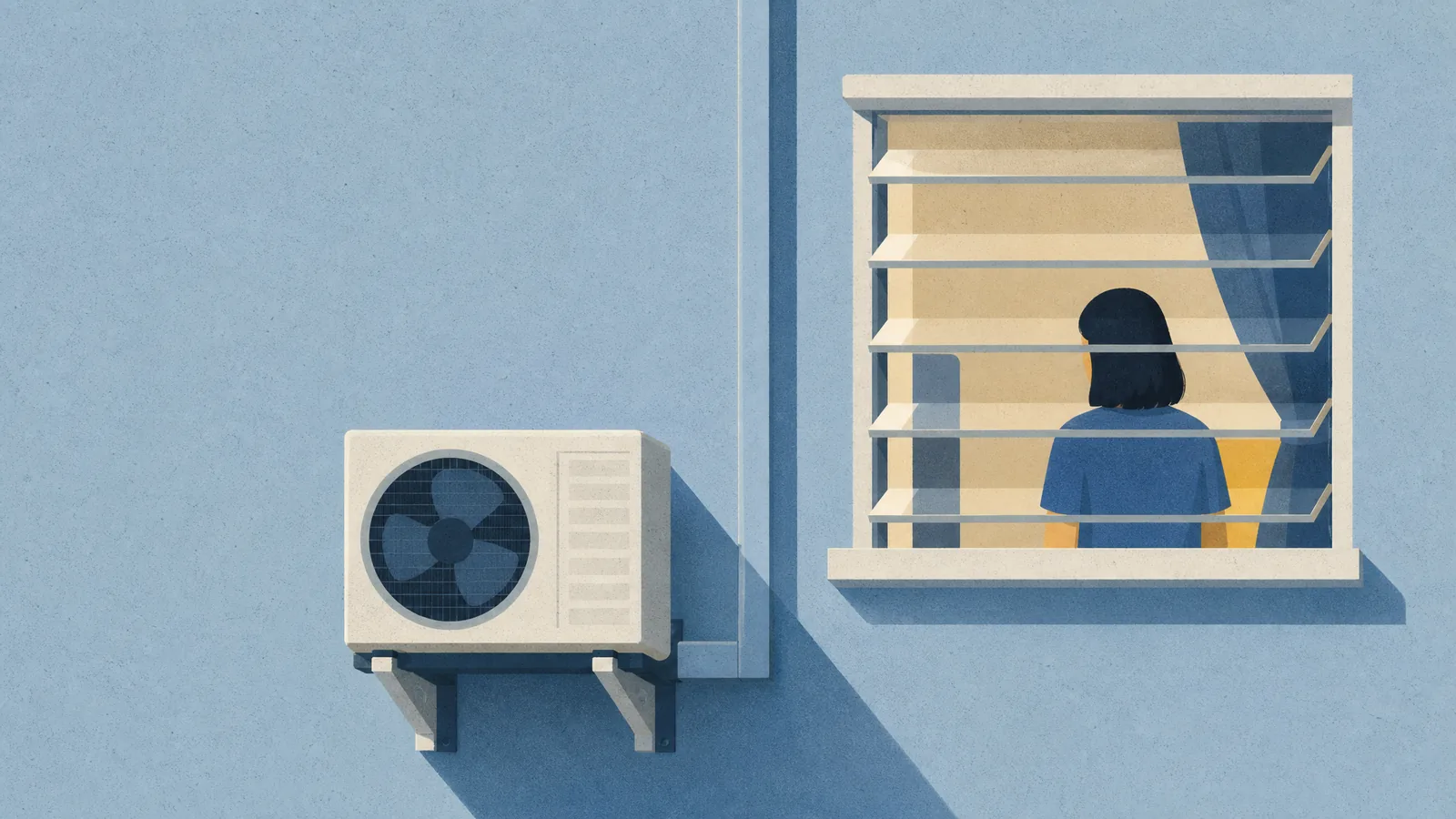
Go outside to the compressor unit and listen. Is it completely silent while the indoor fan runs? Humming but not starting? Clicking and cutting out repeatedly? Each of those points to a different fault, and only one of them is the compressor itself.
Check the obvious things first: is the unit actually set to cool, with the temperature below room temperature? Is the outdoor unit's power supply on? A tripped isolator switch or a breaker that has cut power to the outdoor unit alone produces the exact same symptom as a dead compressor, and costs nothing to fix.
Do not repeatedly switch the unit off and on to try to force the compressor to start. If it is failing, that stresses the motor and the electrical components around it further, and can turn a repairable fault into a replacement.
The likely causes, in order
An electrical fault (most common). The most likely cause is an electrical fault — a failed capacitor or contactor — that stops the compressor motor starting even though power reaches the outdoor unit. Daikin's warranty separately excludes damage from misuse and tampering, which is why a technician tests the electrical components before condemning the compressor itself. Safe check: none beyond confirming power reaches the outdoor unit; opening the casing is not a DIY step.
Low refrigerant causing the compressor to trip. The second likely cause is the compressor overheating and cutting out because the refrigerant level is low, since a compressor is designed to run with a full refrigerant charge and strains when it is short. Safe check: note whether cooling faded gradually before the outdoor unit stopped — that pattern points to a leak feeding into the compressor fault, not a compressor that failed on its own.
The compressor motor itself has failed. The third and most serious cause is that the compressor motor itself has failed, usually after eight to twelve years of use. Daikin's compressor warranty covers a further period beyond the standard warranty specifically because this is a known wear item, but it excludes labour and transport for the replacement. Safe check: know the unit's age and whether it is still within that extended compressor warranty before a technician arrives — it changes who pays for the part.
When to call, and how urgently
Stop and call a technician if the outdoor unit is silent, humming without starting, or repeatedly clicking and cutting out. Do not keep switching the unit on and off to try to force it to start; that stresses a failing motor and its electrical components further.
This is a today, not an emergency, situation in most Singapore flats — heat is uncomfortable but not dangerous the way a gas leak or an electrical fault elsewhere in the home can be. But do not delay for weeks: a compressor that is struggling under low refrigerant or a failing capacitor tends to get worse, not better, and an early repair is often far cheaper than a full replacement.
What it costs
A compressor repair or replacement is quoted separately once the fault is confirmed, and costs more than a capacitor or a routine repair. A capacitor is a minor part; a compressor itself is not.
Ask for the diagnosis in writing before agreeing to a compressor replacement: which of the three causes above it is, why the simpler ones were ruled out, and whether the unit's age makes a full system replacement better value than replacing just the compressor. A ten-year-old unit with a failed compressor is often not worth repairing once labour, transport and the part are added up.
Who to call, and how to judge them
NEA requires suppliers to register regulated goods before supplying them and mandates GHG entity registration for companies performing maintenance and installation work, with certified technicians carrying out the job. There is no public register a homeowner can search by company name, so ask directly whether the technician is certified.
An ACRA registration confirms the business exists, nothing more. Prefer a provider who rules out the electrical fault and the refrigerant level before recommending a compressor replacement, since that is the order a proper diagnosis follows. On arrival, a technician checks power and the electrical components first, then the refrigerant charge, and only then confirms a compressor fault — ruling out the cheaper causes before recommending the most expensive repair.
Frequently asked questions
Why does my aircon blow air but not cool?
A faulty compressor means the outdoor unit's motor, which compresses refrigerant so the system can absorb and release heat, is not running or not running properly, so the indoor fan blows air that is barely cooled.
Is it usually a small fault or the compressor itself?
The most likely cause is an electrical fault — a failed capacitor or contactor — that stops the compressor motor starting even though power reaches the outdoor unit. A technician tests the electrical components before condemning the compressor itself.
Should I repair or replace a unit with a failed compressor?
The third and most serious cause is that the compressor motor itself has failed, usually after eight to twelve years of use. Daikin's compressor warranty covers a further period beyond the standard warranty, but excludes labour and transport for the replacement — ask for both a repair and a replacement price before deciding.
Sources
- Daikin Singapore, "Air Conditioner Warranty" (fetched 15 Sep 2026)
- NEA, "Reducing GHG Emissions from the Use of Refrigerants in the RAC Sector" (fetched 15 Sep 2026)
- NEA, "About Mandatory Energy Labelling and Minimum Energy Performance Standards" (fetched 15 Sep 2026)
Compare aircon servicing providers and ask each one to name the fault, in order of what they ruled out, before you agree to a compressor repair or replacement.