What to check first
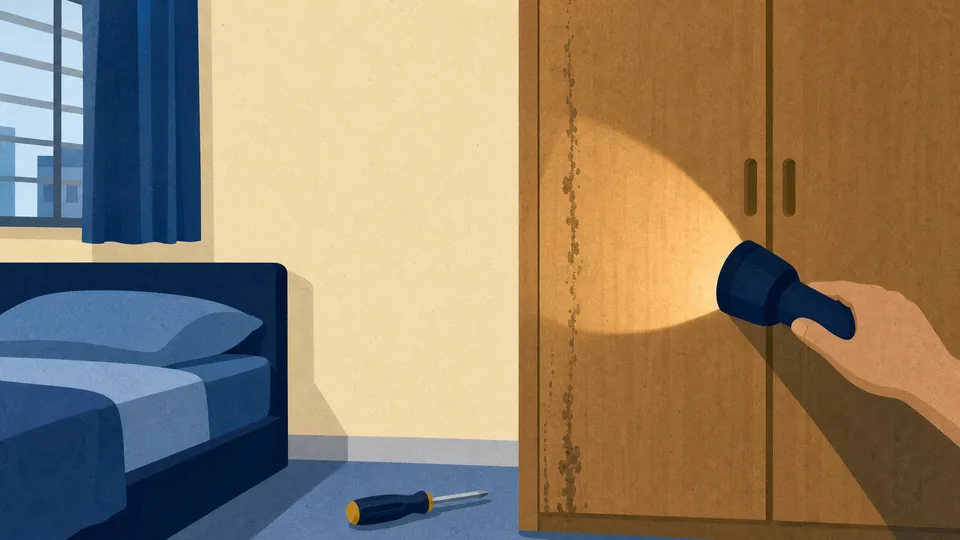
Before booking, note where you see cockroaches (kitchen, bathroom, near a floor trap, near a rubbish chute) and at what time, and check that the operator you are calling appears on NEA's registered VCO list. Both take under five minutes and change what the operator quotes.
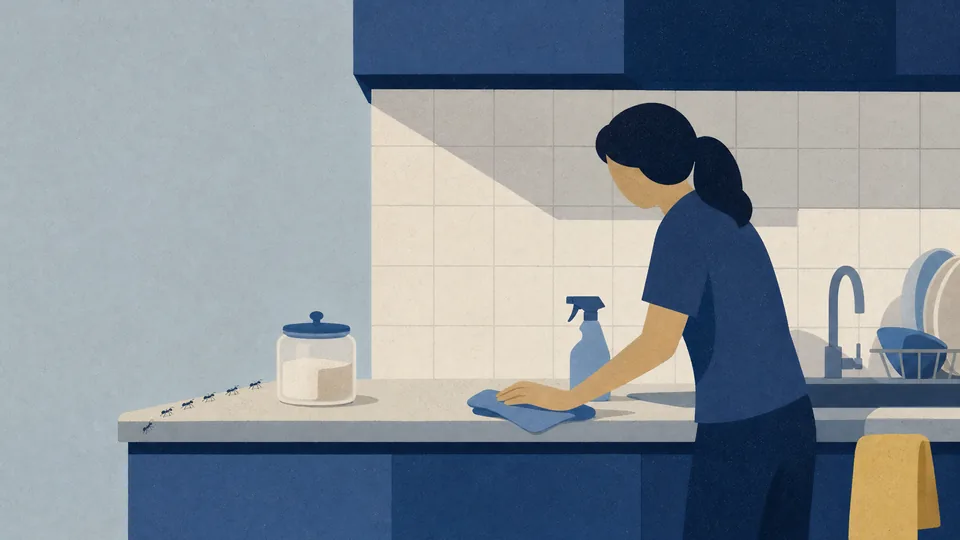
Look for the obvious sources first: uncovered food, standing water near a sink or floor trap, and gaps around pipes or the rubbish chute. Keep food sealed, clean up crumbs and grease, cover rubbish, and fix any dripping tap — these are the same conditions that draw cockroaches back after a treatment. Do not seal ventilation or drainage openings that need to stay clear while you do this.
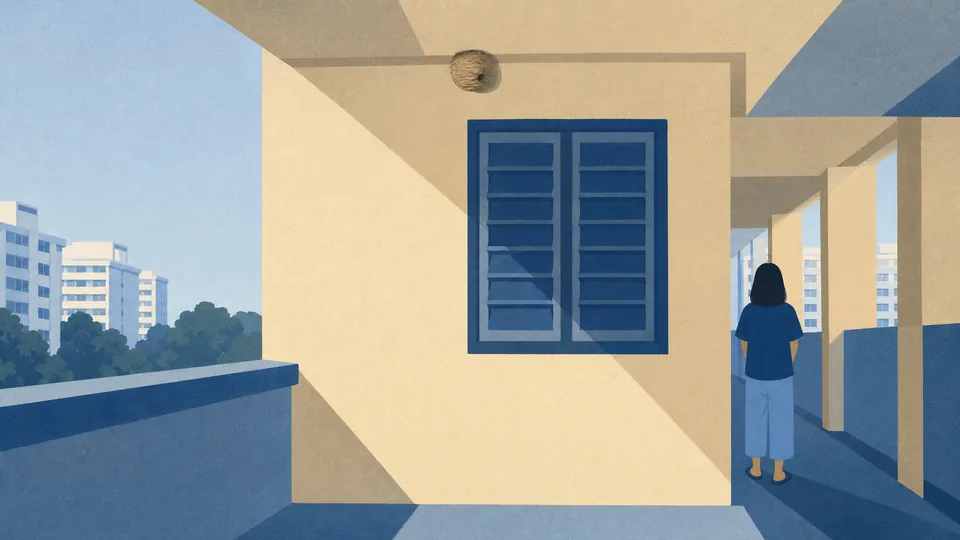
Record where and when you see activity. If it appears linked to common corridors, drains or the shared rubbish chute rather than only inside your own flat, report it to your Town Council (HDB) or your MCST or managing agent (condo) as well as treating the problem inside your home — a source in a shared area will keep reinfesting your flat no matter how often you treat it.
The likely causes, in order
An unaddressed root cause (most common). An unaddressed root cause is the most common reason cockroaches keep coming back. Singapore Standard 721:2025 for pest management is built around prevention first: emphasis on eliminating root causes of infestations rather than treating symptoms — a spray with no source removal is treating the symptom.
Reactive, chemical-only treatment (second). Reactive, chemical-only treatment is the second reason a problem persists. SS 721:2025 describes the industry shift as moving from reactive chemical treatments to proactive, science-based approaches — a one-off fogging with no follow-up inspection is the older, reactive pattern the standard is moving away from.
No follow-up evaluation (third). A proper job follows an assessment, not just a spray. SS 721:2025 requires operators to combine physical, biological and chemical controls as appropriate and to use objective evaluation to guide intervention decisions, with regular evaluation to ensure long-term effectiveness — ask whether that is what you are being quoted for. A single visit with no return check is not that.
DIY, for a light or occasional sighting
For occasional activity, a sealed bait station or gel bait can help you monitor and manage the problem while you wait for a professional visit, or instead of one if sightings are rare. Follow the product label, keep products away from children, pets and food, and do not combine pesticides or apply them to surfaces they are not intended for.
Repeated sightings, egg cases (ootheca) or a problem that returns soon after DIY treatment justify a professional inspection rather than another round of the same product.
When to call, and who
Only NEA-registered Vector Control Operators may be engaged for treatment. Members of the public are advised to ensure that vector control services (e.g. cockroach treatment), regardless of the type of service provider, are procured from licensed Vector Control Operators, and a list of registered VCOs is available for download from NEA. This applies whether you book through a platform, an agency or directly.
Call a pest control operator when sightings are recurring, when they show up in multiple rooms, or when you can see droppings or an egg case — waiting rarely improves the outcome, since cockroaches breed quickly in a warm, humid flat.
What it costs
Give each operator the same description: where and when you see them, whether it is a one-off treatment or a package with a follow-up visit, and whether the quote includes baiting, gel treatment or fogging. A quote for "cockroach treatment" with no method named is not comparable to another.
Ask whether the visit includes an inspection for the source, what the follow-up schedule is, and whether a repeat visit within a set window is included if the problem returns.
Who to call, and how to judge them
The NEA match is the one that actually confirms the operator is licensed to do the job; ACRA only confirms the business exists.
Prefer an operator who asks about the source before quoting a treatment, identifies likely harbourage and entry points, and states the number of visits included. Confirm preparation, ventilation and re-entry instructions before the visit, especially where children or pets live in the flat. One who quotes a spray over the phone with no questions is quoting a symptom fix.
Frequently asked questions
Do I need to check if a pest control company is licensed?
Only NEA-registered Vector Control Operators may be engaged for treatment. Members of the public are advised to ensure that vector control services (e.g. cockroach treatment), regardless of the type of service provider, are procured from licensed Vector Control Operators, and a list of registered VCOs is available for download from NEA.
Is one spray enough to get rid of cockroaches?
A proper job follows an assessment, not just a spray. SS 721:2025 requires operators to combine physical, biological and chemical controls as appropriate and to use objective evaluation to guide intervention decisions, with regular evaluation to ensure long-term effectiveness.
Sources
- NEA, Pest Control overview (fetched 15 Sep 2026)
- NEA, "Vector Control Operator, Vector Control Technician and Vector Control Worker" (fetched 15 Sep 2026)
- NEA, "Background on Singapore Standard 721:2025" (fetched 15 Sep 2026)
Compare pest control providers and give each the same three answers: where you see them, how often, and whether the quote includes a follow-up visit.