
What to check first
If you can reach the roof safely, look at the drainage outlets first. Leaves, dirt and debris sitting in an outlet is the single most common reason water stops leaving a flat roof, and it is free to clear if you can reach it without risk.
Note how long the water has been sitting, and whether it clears within a day or two after rain or stays for a week or more. Water that clears slowly but does clear points to a partially blocked outlet; water that never clears, even with the outlet visibly open, points to the roof's fall or the membrane instead.
Do not walk on a flat roof you are not confident is safe to access, and do not attempt any repair to the membrane itself. Clearing visible debris from an accessible outlet is the limit of what to try yourself.
The likely causes, in order
A blocked drainage outlet or gutter (most common). The most common cause is a blocked drainage outlet or gutter, with leaves, dirt or debris sitting in the outlet and stopping water leaving the roof after rain. This is the fastest to check and often the fastest to fix.
A worn or damaged waterproofing membrane. The second cause is a waterproofing membrane that has aged or been damaged, letting water sit on or seep through the roof surface rather than draining cleanly. Roofs are exposed every day to hazardous conditions and can be damaged and deteriorated over time, which is why a roof that drained fine for years can start ponding without any single dramatic event.
A roof that has lost its fall. The third and least obvious cause is a roof that has lost its fall: a slight sag or deflection means water no longer runs toward the outlets at all, however clear they are. Roofs are exposed every day to hazardous conditions and can be damaged and deteriorated over time, and a loss of fall is one of the ways that shows up as water sitting rather than draining.
When to call, and who
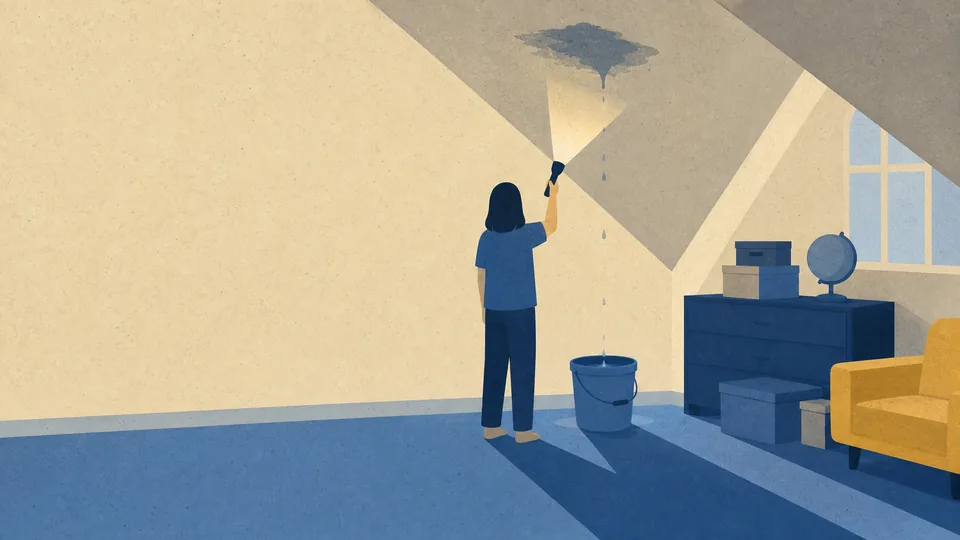
Call a roofing provider if water still sits after you have cleared any accessible debris from the outlets, or if you cannot reach the roof safely at all. Tell them how long the water sits and whether it has ever leaked into the ceiling below, since both change what they check first.
If the flat roof is shared rather than exclusively yours — common on the top floor of some HDB blocks — contact your Town Council instead of booking a provider yourself. HDB's own guidance is that a flat owner maintains their own flat, and leaks from common property go to the Town Council.
Do not leave ponding water unaddressed even if it is not currently leaking. All it takes is clean, stagnant water as small in volume as the size of a 20-cent coin for mosquitoes to breed, and NEA advises doing the weekly Mozzie Wipeout to remove stagnant water from potential breeding habitats, a flat roof included.
What it costs
Ask two or three for a written quote instead.
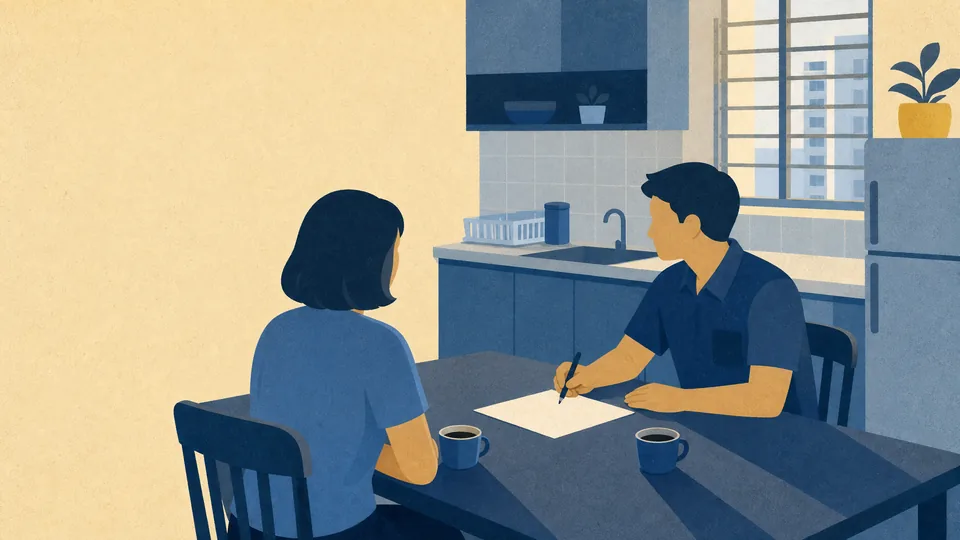
When you ask, describe the same facts to each provider: how long the water sits, whether it has ever leaked below, and whether you have already cleared the outlets yourself. Ask whether the quote covers a clean-out only, a membrane repair, or an assessment of the roof's fall, since those are three different prices.
Who to call, and how to judge them
A roofing provider checks the drainage outlets and gutters first, then the membrane condition, then whether the roof's fall is still directing water toward the outlets at all. Where the fall itself has failed, clearing the outlets will not stop the ponding, so the provider should say so before quoting a simple clean-out.
Roofing work is not licensed work for individuals in Singapore the way plumbing or electrical work is, so there is no personal-licence register to check. Judge a roofing provider on a written scope, a stated inspection method, and a business you can verify instead.
Frequently asked questions
Why is water pooling on my flat roof after it rains?
The most common cause is a blocked drainage outlet or gutter, with leaves, dirt or debris sitting in the outlet and stopping water leaving the roof after rain. A worn waterproofing membrane or a roof that has lost its fall are the next two most likely causes if the outlet is already clear.
Is standing water on a roof actually a problem if it isn't leaking yet?
Yes. All it takes is clean, stagnant water as small in volume as the size of a 20-cent coin for mosquitoes to breed, and NEA advises doing the weekly Mozzie Wipeout to remove stagnant water from potential breeding habitats, a flat roof included.
Sources
- Sika Singapore, "Roofing" (fetched 15 Sep 2026)
- NEA, "Stop Dengue Now" (fetched 15 Sep 2026)
- HDB, "Ceiling Leaks" home care guide (fetched 15 Sep 2026)
Compare roofing providers and give each the same facts: how long the water sits, whether it has ever leaked below, and what you have already cleared yourself.